
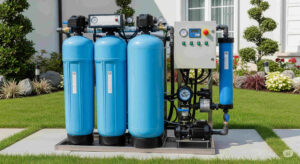
Hey there, health-conscious homeowners! 👋 We all know how vital clean drinking water is for our well-being. But with growing concerns about tap water quality, from contaminants to changing infrastructure, many of us are asking: “How can I ensure my family has truly safe and healthy water right from the tap?” The answer lies in choosing the right water purification systems for home.
Today, we’re embarking on a comprehensive journey to demystify water purification systems for home. We’ll explore the various types available, how they work, the common contaminants they tackle, and most importantly, how to select the perfect system to meet your household’s specific needs in India. As specialists in filtration media, we understand the science behind clean water and are here to guide you to informed choices for your home.
Why Invest in Water Purification Systems for Home? 🚨
While municipal water suppliers strive to meet quality standards, water travels a long way to your tap. Along this journey, it can pick up various impurities. Investing in water purification systems for home offers numerous benefits:
Health Protection: Removes harmful bacteria, viruses, parasites, heavy metals, chlorine, pesticides, and other contaminants that can pose serious health risks. 🦠🚫
Improved Taste & Odor: Eliminates unpleasant tastes and smells, making your drinking water more enjoyable. 😋
Cost Savings: Reduces reliance on expensive bottled water, saving you money in the long run. 💰
Environmental Impact: Less plastic waste from bottled water contributes to a healthier planet. ♻️
Peace of Mind: Knowing your family is drinking truly purified water offers invaluable peace of mind. 😌
Common Contaminants Found in Indian Tap Water 🧪
Before choosing water purification systems for home, it’s helpful to understand the common culprits lurking in Indian tap water:
Microorganisms: Bacteria (E. coli), viruses (Hepatitis A, Norovirus), and protozoa (Giardia, Cryptosporidium) are significant concerns, especially in areas with older infrastructure or inconsistent water supply.
Total Dissolved Solids (TDS): Refers to inorganic salts and organic matter dissolved in water. High TDS can affect taste and indicate the presence of other contaminants.
Heavy Metals: Lead (from old pipes), arsenic, mercury, cadmium, and chromium can be present due to industrial pollution or natural geological sources.
Chlorine and Chloramines: Used for disinfection in municipal supplies, but can create byproducts and affect taste/odor.
Pesticides & Herbicides: Runoff from agricultural areas can introduce these chemicals into water sources.
Turbidity & Sediment: Suspended particles like silt, clay, and rust that make water cloudy.
Hardness: High mineral content (calcium, magnesium) leading to scale buildup.
Types of Water Purification Systems for Home: A Detailed Look 🔍
The market offers a wide array of water purification systems for home, each employing different technologies to tackle specific contaminants. Let’s explore the most popular options:
1. Reverse Osmosis (RO) Water Purifiers: The Gold Standard for Purity 🏆
How it Works: RO systems push water through a semi-permeable membrane at high pressure. This membrane has microscopic pores that block almost all impurities, including dissolved salts (TDS), heavy metals, bacteria, viruses, and larger molecules, while allowing pure water to pass through.
Pros: Highly effective at removing a vast range of contaminants, including TDS.
Cons: Can be slow, produce wastewater (rejected water containing impurities), and remove beneficial minerals (some systems include a mineralizer to re-add them). Requires electricity.
Ideal For: Areas with high TDS levels, heavy metal contamination, or general concerns about water purity.
2. Ultraviolet (UV) Water Purifiers: The Germ Killer ☀️
How it Works: UV purifiers use a special lamp to emit germicidal ultraviolet light. As water passes through the chamber, the UV light inactivates bacteria, viruses, and other microorganisms by disrupting their DNA, preventing them from reproducing and causing illness.
Pros: Highly effective against microorganisms, chemical-free, relatively fast, and doesn’t alter water taste or remove essential minerals.
Cons: Does not remove dissolved solids, chemicals, heavy metals, or sediment. Requires electricity.
Ideal For: Water sources primarily concerned with microbial contamination (often used as a secondary stage after sediment/carbon filters).
3. Activated Carbon Filters: The Taste & Odor Eliminator ⚫
How it Works: Activated carbon is a highly porous material that adsorbs (attracts and holds) impurities. It’s excellent at removing chlorine, chloramines, volatile organic compounds (VOCs), pesticides, and improving taste and odor.
Pros: Very effective for taste, odor, and chemical removal; relatively inexpensive.
Cons: Does not remove bacteria, viruses, TDS, or heavy metals (though some specialty carbons can remove specific heavy metals).
Ideal For: Improving municipal tap water taste and odor, or as a pre-filter in multi-stage systems.
4. Sediment Filters: The Clarity Creator ☁️
How it Works: These filters physically block larger particles like sand, silt, rust, and dirt from passing through. They are typically made of pleated paper, string-wound polypropylene, or spun poly.
Pros: Protects other delicate filters (like RO membranes or UV lamps) from clogging, improves water clarity.
Cons: Does not remove chemicals, dissolved solids, or microorganisms.
Ideal For: The first stage in almost any multi-stage water purification system for home, especially where water has visible particulate matter.
5. Ultrafiltration (UF) Purifiers: Membrane Without the Waste 🌀
How it Works: UF systems use a hollow fiber membrane with larger pores than RO membranes. They effectively remove suspended solids, bacteria, viruses, and cysts, but allow dissolved minerals to pass through.
Pros: Good purification without electricity (often), no wastewater, retains beneficial minerals.
Cons: Does not remove TDS or heavy metals.
Ideal For: Areas with concerns primarily about microbial and suspended contaminants, but with acceptable TDS levels.
6. Multi-Stage Filtration Systems: The Comprehensive Approach 🪜
Many of the best water purification systems for home combine several of these technologies. A typical setup might include:
Stage 1: Sediment Filter: Removes large particles.
Stage 2: Activated Carbon Filter: Removes chlorine, chemicals, improves taste.
Stage 3: RO Membrane OR UF Membrane OR UV Lamp: Core purification stage (RO for TDS, UF/UV for microbes).
Stage 4 (Post-Carbon/Mineralizer): Further polishes taste or re-adds beneficial minerals.
Infographic Suggestion: Flow of Multi-Stage System (Simple flow diagram: Raw Tap Water -> Sediment Filter -> Carbon Filter -> RO/UV/UF Unit -> Purified Water)
Choosing the Right Water Purification System for Your Indian Home 🇮🇳
Selecting the ideal water purification systems for home depends on several factors specific to your location and needs:
Test Your Water Source: This is the most crucial step! Knowing your specific water quality (TDS levels, hardness, presence of heavy metals or microbial contamination) will guide your choice. Local water testing labs can provide a detailed report.
Understand Common Local Issues: Are bacterial outbreaks common in your area? Is the water visibly cloudy? Does it taste heavily chlorinated?
Consider Your Budget: Water purification systems for home vary significantly in price, from basic faucet filters to whole-house systems. Factor in installation costs and ongoing maintenance (filter replacements).
Daily Water Consumption: How much purified water does your household need daily? This affects the system’s capacity and flow rate.
Installation Type:
Under-the-sink: Provides purified water at a dedicated tap. Most common for RO/UV systems.
Countertop: Portable units that connect to your existing faucet.
Whole-house: Filters all water entering your home, protecting appliances and improving water quality for bathing and washing, not just drinking.
Maintenance & Filter Replacement: All water purification systems for home require regular filter replacement. Understand the frequency and cost.
Table Suggestion: System Selection Guide (Simplified)
Water Concern | Recommended System Type | Primary Benefit |
High TDS, Hardness, Heavy Metals | RO (Reverse Osmosis) | Comprehensive removal of dissolved impurities |
Microbial Contamination | UV (Ultraviolet) or UF (Ultrafiltration) | Effectively kills/removes bacteria & viruses |
Chlorine, Bad Taste/Odor | Activated Carbon Filter | Greatly improves aesthetics |
Sediment, Turbidity | Sediment Filter (often as pre-filter) | Removes visible particles, protects other filters |
All of the above | Multi-stage System (e.g., Sediment + Carbon + RO/UV/UF) | All-round protection |
The Role of Natural Sand Filter Media in Home Systems 🌿
While RO and UV are prominent in household water purification systems for home, it’s important to remember the foundational role of mechanical filtration. This is where high-quality natural sand filter media comes into play, especially in larger, whole-house filtration setups or as a pre-filter for community water schemes often supplying homes.
Our company specializes in manufacturing precisely graded natural sand filter media that is crucial for:
Pre-filtration for Whole-House Systems: Before water reaches your finer filters (like activated carbon or RO/UV units), a robust natural sand filter media layer can effectively remove larger suspended solids, protecting your more sensitive and expensive components from premature clogging. This extends the life of your entire water purification system for home.
Turbidity Reduction: If your source water has high turbidity (cloudiness due to suspended particles), a dedicated natural sand filter media filter can significantly improve clarity before other purification stages.
Sediment Removal in Wells/Borewells: For homes relying on private wells or borewells, natural sand filter media can be the primary mechanical filter, tackling the significant sediment load often encountered.
Our natural sand filter media is sourced for its purity and hardness, ensuring it effectively traps impurities while providing excellent flow characteristics. This contributes to the overall efficiency and longevity of water purification systems for home.
Discover our high-quality 1.18–2 mm Natural Sand Filter Media which can be a key component in larger home or community-level purification setups, designed to handle significant sediment loads and improve water clarity: [Link to your 1.18-2mm Natural Sand Filter Media product page]. And for the necessary coarse support layers in these systems, explore our robust 25-40 mm Natural Pebble Filter Media here.
Maintenance Tips for Your Home Water Purification System 💡
Regardless of the type of water purification systems for home you choose, regular maintenance is paramount for optimal performance and longevity.
Regular Filter Replacement: Follow the manufacturer’s recommendations for replacing sediment, carbon, and RO membranes. Neglecting this can lead to reduced efficiency, water quality issues, and damage to the system. 📅
System Cleaning: Periodically clean the system components as per the user manual.
Professional Servicing: For complex systems, consider annual professional servicing.
Monitor Water Quality: Pay attention to any changes in taste, odor, or clarity. These can indicate a need for filter replacement or system check-up.
The Future of Home Water Purification futurist 🚀
The landscape of water purification systems for home is continuously evolving. We can expect to see:
Smarter Systems: Integration with smart home technology, offering real-time water quality monitoring via apps, automatic filter replacement reminders, and predictive maintenance.
More Sustainable Options: Development of systems that minimize water wastage (especially for RO), reduce energy consumption, and utilize more eco-friendly materials.
Targeted Contaminant Removal: More specialized filters designed to tackle emerging contaminants like microplastics, pharmaceuticals, and specific industrial pollutants.
Decentralized Solutions: Growth of community-level purification systems that benefit entire neighborhoods, bridging the gap between municipal supply and individual home filters.
Conclusion: Empowering Your Home with Clean Water 🏡✨
Choosing and maintaining the right water purification systems for home is a proactive step towards safeguarding your family’s health and contributing to a more sustainable lifestyle. By understanding the common contaminants, the various purification technologies available, and the crucial role of foundational elements like natural sand filter media, you can make an informed decision that brings peace of mind and crystal-clear water to your tap.
Invest in your family’s health and well-being today. With the right water purification systems for home, every sip can be pure, refreshing, and worry-free.

Natural Silica Sand for Traction: The Unsung Hero of Railway Safety & Efficiency 🚂砂
Discover the vital role of natural silica sand in railway operations. Learn how this specially graded material enhances track-to-wheel traction, ensuring safety and efficiency for trains, especially in challenging conditions.
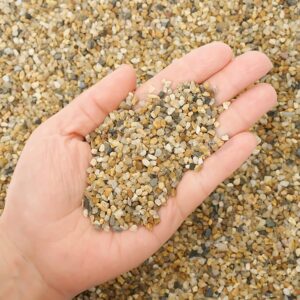
Silex Sand: The Unsung Hero of Clean Water & Industrial Purity 💧🏭
Hey there, curious minds and industry professionals! 👋 When you think about the bedrock materials that underpin essential processes, what

Water Purification Systems for Home: Your Ultimate Guide to Clean Drinking Water 💧🏡
Hey there, health-conscious homeowners! 👋 We all know how vital clean drinking water is for our well-being. But with growing
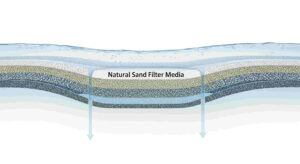
Sand Filter Media for Water Purification: Your Gateway to Cleaner Water 💧🔍
Hey there, clean water advocates and filtration enthusiasts! 👋 Have you ever wondered about the quiet workhorse behind countless water

Wastewater Treatment: A Comprehensive Guide to Cleaner Water & a Healthier Planet 💧🌍
Hey there, eco-conscious readers! 👋 Have you ever stopped to think about where the water goes after it swirls down